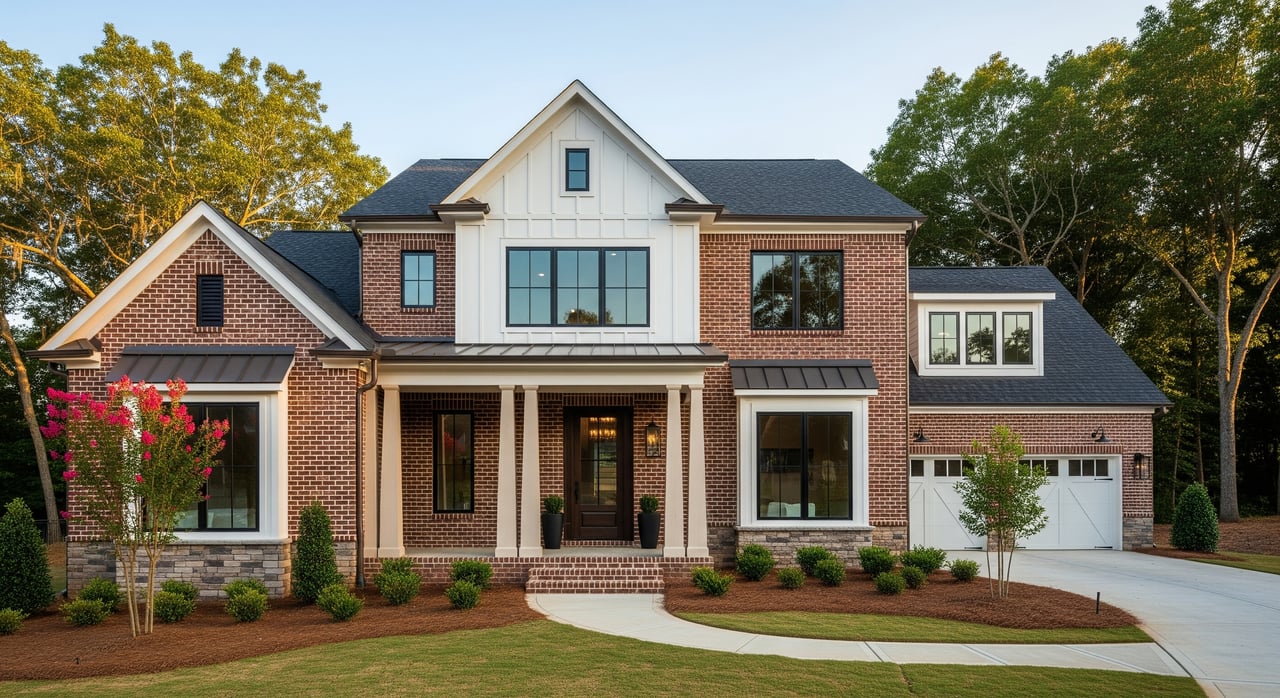
Thinking about building new in Holly Springs but not sure where to start? You’re not alone. With steady growth and lots of phased communities, it can be tough to compare timelines, costs, and neighborhood options. In this guide, you’ll learn how new construction works here, what drives total price, how HOAs and amenities typically look, and how to avoid common design pitfalls. Let’s dive in.
Why Holly Springs attracts new builds
Holly Springs continues to grow within the Raleigh–Durham region, which supports a healthy pipeline of new subdivisions and master-planned communities. For a clear picture of current rezoning and subdivision activity, use the Town’s official resources. You can review recent plats and planning items through the Town of Holly Springs Planning & Zoning pages, and cross-check permits or parcel data through Wake County permitting and GIS.
You’ll find a mix of community types: fully planned developments built in phases, traditional single-family subdivisions, and neighborhoods that combine single-family homes with townhome sections. Both national and regional builders operate here, and new homes release as each phase comes online.
Where new phases tend to open
New phases often appear on parcels next to existing neighborhoods, especially south or west of the older town core where land is more available. Large master-planned projects release numbered or lettered phases over several years. You can track where the next phases are likely by reviewing current rezonings and development cases on the Town Planning pages.
Build timelines you can expect
Timelines vary by community and market conditions, but there are reliable ranges and patterns you can use to plan.
From phase start to build-ready lots
Developers typically complete roads, utilities, and stormwater systems before builders can start vertical construction. This phase work often runs 6 to 18 months per phase, depending on site conditions and permitting.
From contract to keys
- Spec homes: Often 3 to 9 months from contract to close, faster if construction is already well underway.
- To-be-built homes: Often 6 to 12 months for most production plans. Larger or more customized builds can run 10 to 18 months. These industry ranges are consistent with guidance from the National Association of Home Builders and local builder norms.
What can delay a build
Weather and site remediation, off-site road or utility work, and permit backlogs can slow delivery. Supply chain issues for items like windows, cabinets, and appliances may also add time. Developers sometimes shift lot sequencing to match marketing or infrastructure schedules, which can move your estimated start or completion.
True cost of a new build
Base prices are only a starting point. Your real budget should include the lot, structural changes, design selections, and closing costs.
Base vs all-in pricing
The base price covers the standard plan on a standard lot with builder-grade finishes. Your all-in cost often includes a lot premium, structural options, finish upgrades, landscaping or outdoor living, and closing costs. Builders typically publish what’s standard versus optional and will price your contract accordingly.
Lot premiums and what drives them
A lot premium is tied to desirability and buildability. Larger lots, cul-de-sac locations, preserved buffers, water views, corner lots, and certain elevations usually carry higher premiums. Premiums vary widely by community and demand level. Ask for the current lot list and premium sheet for comparable lots within the same phase.
Upgrades, change orders, and incentives
High-impact upgrades include gourmet kitchens, premium cabinets and countertops, flooring, covered porches, and outdoor packages. Structural changes cost more and can affect timelines. Builders sometimes offer incentives like interest rate buydowns, closing credits, or reduced options cost, especially for spec homes or end-of-phase inventory. Compare incentives against your must-have upgrades to decide where your dollars go furthest.
Financing and appraisals
Lenders use the contract and documented options to appraise new construction. If optional finishes are not clearly written into the contract, an appraisal shortfall can occur. Some buyers use construction-to-permanent loans, while others use conventional financing timed to completion. Ask your lender how inspections, draws, and rate locks will work with your build timeline.
HOAs, amenities, and fees
Most newer communities in Holly Springs have HOAs that maintain shared spaces and manage architectural guidelines. It is important to read the recorded CC&Rs for your specific phase.
Typical amenities
Many Triangle-area new builds include a pool and cabana, clubhouse or fitness space, playgrounds, walking trails, dog areas, and sometimes small lakes or ponds with walking loops. Amenity build-out often happens in stages. Early phases may open simpler features first, with full amenity centers arriving after more homes are complete.
Understanding HOA fees
Fees vary by amenity level and services like front yard maintenance. Always review the HOA budget, reserve information, and any recent assessments to understand what is covered and whether fees are stable. For broader best practices on HOA governance and costs, the Community Associations Institute is a helpful resource.
Architectural control and approvals
HOAs often regulate fences, exterior paint, and landscape or hardscape changes through an Architectural Review Committee. If you plan to add a fence or other exterior project, confirm approval timelines and rules before you close.
Design center decisions that matter
Your selections schedule is set by the builder and tied to lead times.
When you will make choices
- Structural decisions: Things like garage orientation, bump-outs, or room layout lock in very early, sometimes within days of contract.
- Design selections: Cabinets, countertops, tile, paint, and flooring are usually chosen at a design center appointment 30 to 90 days after contract, depending on build stage.
A smart selection checklist
- Set a budget for upgrades with a must-have vs nice-to-have list.
- Confirm model numbers for appliances, fixtures, and lighting for warranty and appraisal accuracy.
- Get written prices for each option and the policy on mid-build changes.
- Clarify warranties and what is covered by the builder vs manufacturers.
- Make sure all selections are documented in the purchase agreement.
Common pitfalls to avoid
- Waiting too long to book design appointments, which can limit choices or impact timelines.
- Underestimating the combined cost of many mid-level upgrades.
- Assuming site finishes like driveways, sod, or exterior lighting are included. Verify line by line.
- Skipping the review of warranty and punch list processes before you sign.
New construction vs resale
Both paths can work well in Holly Springs. The right choice depends on timing, budget, and lifestyle.
When new construction wins
You get brand-new systems, energy efficiency, a builder warranty, modern layouts, and the chance to choose your lot and finishes. New communities often offer fresh amenity packages and planned green space.
When resale wins
You can move faster, often with lower total cost after upgrades are considered. Established neighborhoods offer mature landscaping and are easier to evaluate for layout, light, and day-to-day feel. If your move date is fixed, a quick-move-in spec or resale may provide more certainty.
How to compare apples to apples
- Map commute times from the exact phase or address, not just the community entrance.
- Verify school assignments and transportation options directly with the district.
- Build a true all-in budget for new construction that includes lot premiums and options, then compare it to your likely upgrade spend on a resale.
- Factor HOA fees and amenity access into your monthly plan.
How to track what is coming next
To follow upcoming phases and infrastructure schedules, review recent rezonings and subdivision cases on the Town of Holly Springs Planning & Zoning pages. For permit status, inspections, and property records, use Wake County’s permitting and GIS tools. These sources can help you pinpoint where new streets, amenities, and home sites are taking shape.
How we help you build smart
Buying new construction should feel exciting, not overwhelming. We help you compare builders and phases, read CC&Rs and HOA budgets, coordinate design timelines, and negotiate incentives that fit your goals. We also create side-by-side cost comparisons of new vs resale so you can make a confident decision.
If you are exploring a new build or a resale in Holly Springs, let’s talk through your timeline and budget. With 250-plus homes sold across the Triangle, we know how to navigate phasing, selections, and incentives so you get the right home at the right total cost. Reach out to Keith O'Hare for a friendly, no-pressure consult.
FAQs
What types of new construction communities are in Holly Springs?
- You’ll find master-planned communities built in phases, smaller single-family subdivisions, and mixed-product neighborhoods that include townhomes alongside single-family sections.
How long does a to-be-built home usually take in Holly Springs?
- Many production to-be-built homes run 6 to 12 months from contract to close, with larger or more customized builds often taking 10 to 18 months depending on demand and supply conditions.
What drives lot premiums and how much should I expect?
- Premiums reflect lot desirability and buildability such as size, cul-de-sac location, buffers, or water views, and they vary widely by community and market conditions.
What should I know about HOAs in newer communities?
- HOAs typically manage common areas, amenities, and exterior standards, so review CC&Rs, budgets, and any recent assessments before you sign to understand fees and rules.
How do builder incentives typically work in this area?
- Builders may offer rate buydowns, closing credits, or price reductions, especially on spec homes or end-of-phase lots, and the best fit depends on your financing and upgrade goals.
When will I make design center selections and can I change them?
- Structural decisions lock early, while finishes are usually chosen 30 to 90 days after contract; late changes may incur fees and can extend timelines.
How should I compare new construction to resale in Holly Springs?
- Build a true all-in budget for both paths, verify commute and school assignments from the actual address, and weigh timeline certainty against customization and amenities.