If you are trying to choose between inside-the-Beltline Raleigh and the suburbs, you are not really choosing between “city” and “not city.” You are choosing between different daily rhythms, housing patterns, and ways of getting around. Understanding how Raleigh changes from its urban core to its outer neighborhoods can help you focus on the lifestyle that fits you best. Let’s dive in.
Raleigh Is More of a Spectrum
A helpful way to think about Raleigh is as a continuum, not two totally separate places. The city’s planning documents show a range from dense, mixed-use urban blocks to lower-density residential areas and regional retail corridors.
That matters because “inside the Beltline” and “suburban Raleigh” can each include more than one kind of experience. Some areas are highly walkable and mixed-use, while others are quieter, more car-oriented, or built around newer development patterns.
What Inside the Beltline Means
Inside the Beltline usually refers to neighborhoods within Raleigh’s I-440 Beltline. In and near downtown, the city’s land use plans support a vibrant mixed-use center with housing, offices, retail, government, cultural uses, and entertainment.
In practical terms, that often means a more urban layout. You are more likely to see connected streets, shorter blocks, older homes, apartments, condos, and places where daily errands or outings can happen closer together.
A More Mixed Daily Routine
One of the biggest differences inside the Beltline is how often uses are blended together. In downtown and nearby districts, homes, restaurants, offices, public spaces, and cultural destinations are often part of the same broader area.
The Warehouse District is a strong example. Historic brick buildings now sit alongside residential spaces, restaurants, bars, shopping, creative businesses, tech offices, and transit access, which supports a more spontaneous day-to-day routine.
Older and More Varied Housing
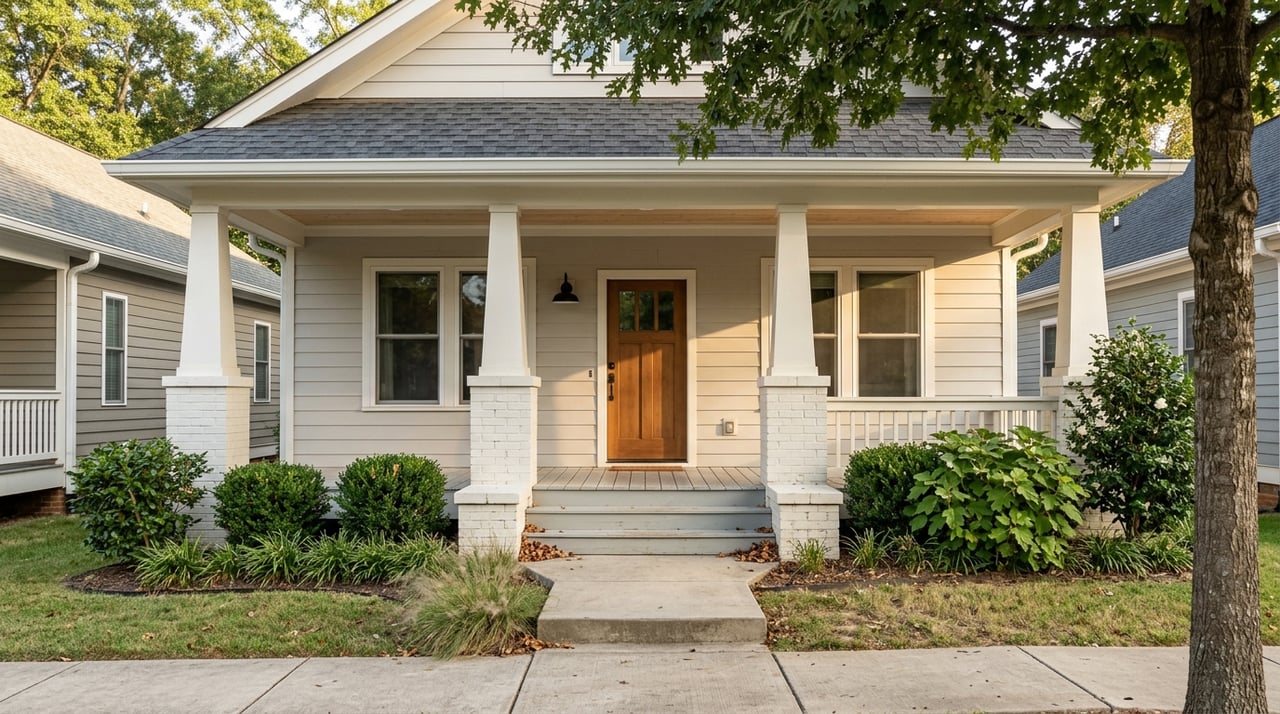
Inside the Beltline also tends to have older and more varied housing stock. In Oakwood, Raleigh identifies the city’s largest collection of 19th-century Victorian-era dwellings, while Boylan Heights is known for early planned suburb design, curved streets, and bungalow homes.
That variety gives many inner-city neighborhoods a distinct look and feel. Instead of long stretches of similar homes built at the same time, you may find more differences in lot shape, architecture, age, and street pattern from block to block.
What Suburban Raleigh Means
Suburban Raleigh usually refers to areas outside the Beltline where development is often lower density and more spread out. According to Raleigh’s future land use framework, these areas can include single-family detached neighborhoods, small-lot subdivisions, patio homes, townhomes, condos, garden apartments, and suburban-style apartment communities.
That means suburban Raleigh is not just one thing either. Some outer areas are primarily residential, while others are built around larger mixed-use centers with shopping, offices, apartments, and homes nearby.
More Room, Newer Patterns
In many suburban areas, you are more likely to find newer housing layouts and larger-scale neighborhood planning. Streets, parking, shopping centers, and residential sections are often designed with car travel in mind.
For many buyers, that setup feels practical and familiar. If your routine includes commuting, school drop-offs, bigger grocery runs, or frequent driving between activities, suburban Raleigh may fit naturally with how you already live.
Regional Hubs Shape Suburban Life
Outer-ring Raleigh is not made up only of bedroom communities. The city identifies places like Brier Creek, Triangle Town Center, Crabtree, and North Hills/Midtown as regional mixed-use areas.
These areas can offer a blend of homes, apartments, office space, shopping, and dining, but the layout is often more auto-oriented. Brier Creek, for example, includes a mix of single-family homes, apartment developments, a shopping center, office uses, and surface parking within a broader growth-center pattern.
Housing Feels Different in Each Area
Your housing options can shape your lifestyle as much as the location itself. Raleigh overall has become much more multifamily-heavy, with the city reporting that the majority of households now live in multifamily units and that multifamily made up 90% of new construction in 2022.
Even with that citywide shift, the feel of the housing stock still differs by area. Inside the Beltline, you are more likely to see older homes and a wider mix of property types close together. In suburban Raleigh, you will often find newer subdivisions, townhomes, patio homes, and apartment communities built in a more consistent pattern.
If You Want Character
If you love original details, historic streetscapes, and homes with more visual variety, inside-the-Beltline neighborhoods may stand out to you. Areas like Oakwood and Boylan Heights reflect early development patterns that still shape the look of the neighborhood today.
That said, older housing can also mean a different maintenance profile, smaller lots, or layouts that do not always match current design trends. Character is a real draw, but it usually comes with tradeoffs.
If You Want Predictability
If you prefer newer layouts, more standardized floor plans, or communities designed around modern suburban routines, outer Raleigh may feel simpler to navigate. Suburban development often offers more consistency in home age, streetscape, and neighborhood layout.
For many move-up buyers and relocating households, that predictability can make the home search easier. It can also help narrow decisions faster when you are comparing size, layout, and commute patterns.
Getting Around Changes a Lot
Transportation may be the biggest day-to-day difference between inside-the-Beltline and suburban Raleigh. Raleigh’s mean travel time to work is 23.0 minutes citywide, but how that commute feels depends heavily on where you live.
Inside the Beltline, the street network and zoning are generally more supportive of walking and biking. The city’s mixed-use framework points to pedestrian-oriented frontage and connected urban blocks, and projects like the Strollway: Fourth Ward are meant to improve walking and car-light travel between downtown and Dix Park.
Walkability and Transit Inside the Beltline
If you want more chances to walk to restaurants, parks, transit stops, or downtown destinations, inside-the-Beltline locations usually offer more of that potential. Downtown also includes mobility anchors like GoRaleigh Station, the R-Line circulator, and Raleigh Union Station.
Parking works differently in the core as well. Downtown Raleigh uses metered parking and select decks with two-hour free parking, which creates a more structured parking experience than many suburban areas.
Driving Is More Central in the Suburbs
Suburban Raleigh still has transit access in some corridors, but it tends to be more corridor-based or tied to park-and-ride patterns. In outer areas, daily life is often organized more clearly around driving.
That does not mean suburban areas are disconnected. Raleigh has ongoing transportation and sidewalk investments in outer corridors too, including work north of I-440 to improve safety and access for drivers, walkers, and cyclists.
The Day-to-Day Feel Is Different
Lifestyle is often where the contrast becomes easiest to notice. Downtown Raleigh brings together business, government, dining, arts, and entertainment in a more concentrated way.
Raleigh notes that downtown visitors can find nationally recognized museums, award-winning restaurants, and a shop base that is 93% locally owned. If you enjoy being close to events, public art, cultural programming, and a wider mix of spontaneous outings, the urban core may feel more energizing.
Inside the Beltline Feels More Immediate
Inside-the-Beltline living often means your options are closer together. You may be able to decide on dinner, coffee, a walk, or a museum visit with less planning and less driving.
That immediacy is part of the appeal. At the same time, busier streets, more active intersections, and tighter parking are part of daily life in some inner areas, especially around major nodes.
Suburban Raleigh Feels More Destination-Based
In suburban Raleigh, errands and entertainment are more often centered around larger destination hubs. The city’s land use map notes that some regional mixed-use areas are suburban auto-oriented shopping plazas or strip centers on high-volume arterial roads.
For many people, that works well. You may trade some spontaneity for easier parking, newer commercial space, and a routine that feels more planned and spread out.
How to Decide What Fits You
The best choice depends less on labels and more on how you want your week to feel. Think about whether you want your home and daily destinations woven closely together, or whether you prefer more separation between where you live, shop, work, and spend free time.
A few questions can help you get clear:
- Do you want more walkable daily options, or do you expect to drive for most errands?
- Are you drawn to older homes and varied streetscapes, or newer layouts and more uniform communities?
- Would you rather be near downtown culture and mixed-use districts, or closer to regional suburban hubs?
- Does structured parking and busier streets feel manageable, or would easier driving and parking make life simpler?
- Are you prioritizing character, convenience, consistency, or a blend of all three?
There Is No One-Size-Fits-All Answer
Raleigh is not split into a simple urban-versus-suburban choice. It offers a range of living environments, from historic inner neighborhoods and mixed-use downtown districts to lower-density residential areas and outer retail centers.
That is good news for buyers and sellers. It means you can be more specific about the lifestyle you want and match that to the part of Raleigh that supports it best.
If you are weighing inside-the-Beltline living against suburban Raleigh, the right move starts with understanding your priorities. If you want help comparing neighborhoods, commute patterns, and housing options across the Triangle, Keith O'Hare can help you make a confident, informed decision.
FAQs
What does inside the Beltline mean in Raleigh?
- Inside the Beltline generally refers to neighborhoods located within Raleigh’s I-440 Beltline, including downtown and nearby older neighborhoods with a more urban development pattern.
How is suburban Raleigh different from inside the Beltline?
- Suburban Raleigh usually has lower-density development, more car-oriented layouts, newer subdivisions or mixed-use hubs, and daily routines that often rely more on driving.
Are there walkable areas in Raleigh outside the Beltline?
- Yes, some outer-ring areas include mixed-use centers and transit access, but in general the strongest walkable urban pattern is found in and around downtown and other inside-the-Beltline locations.
What kinds of homes are common inside the Beltline in Raleigh?
- Inside the Beltline, you are more likely to find older and more varied housing, including historic homes, bungalows, condos, apartments, and mixed residential patterns.
What kinds of homes are common in suburban Raleigh?
- Suburban Raleigh commonly includes single-family neighborhoods, small-lot subdivisions, patio homes, townhomes, condos, garden apartments, and suburban-style apartment communities.
Is downtown Raleigh parking different from suburban parking?
- Yes, downtown Raleigh uses metered parking and parking decks in many areas, while suburban areas more often rely on surface parking and car-oriented access patterns.