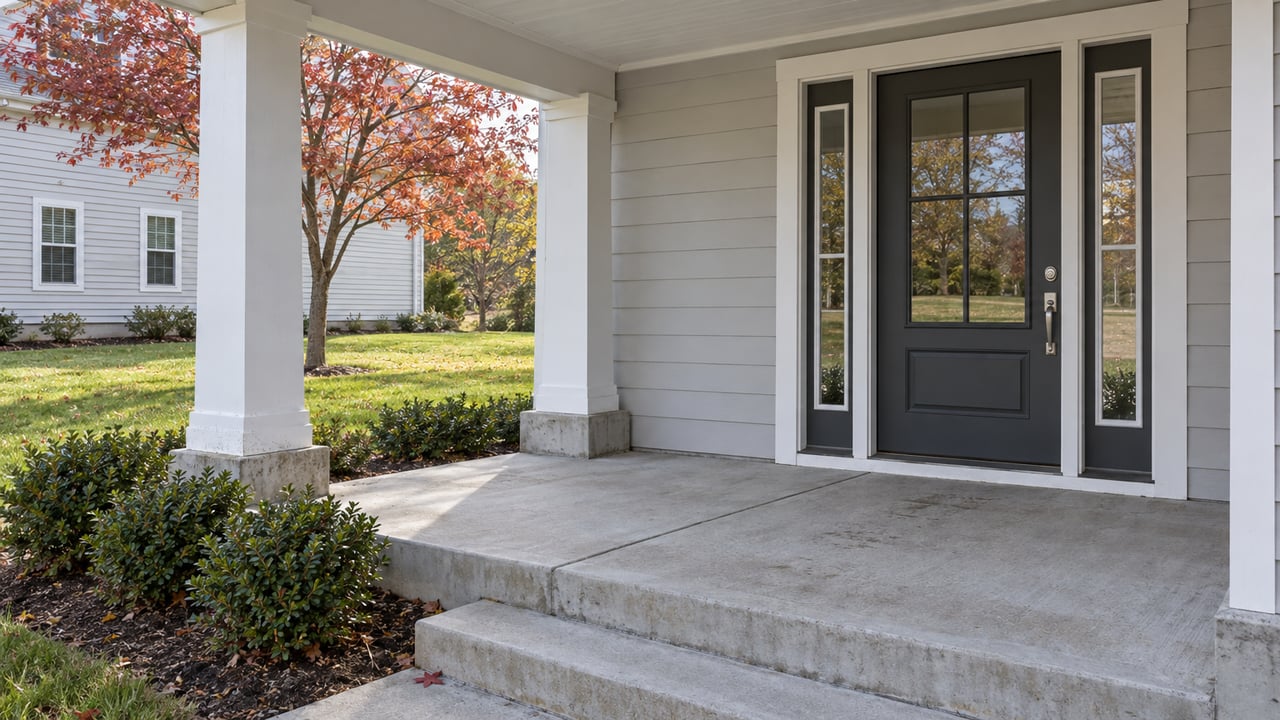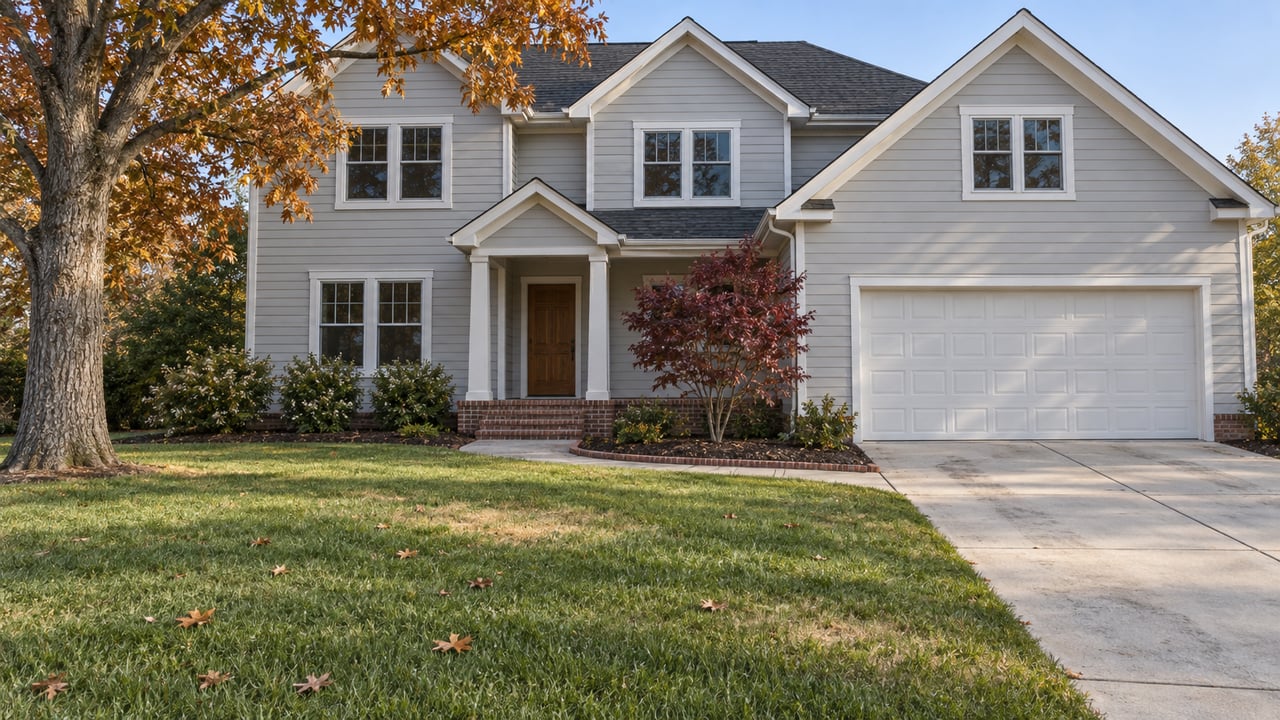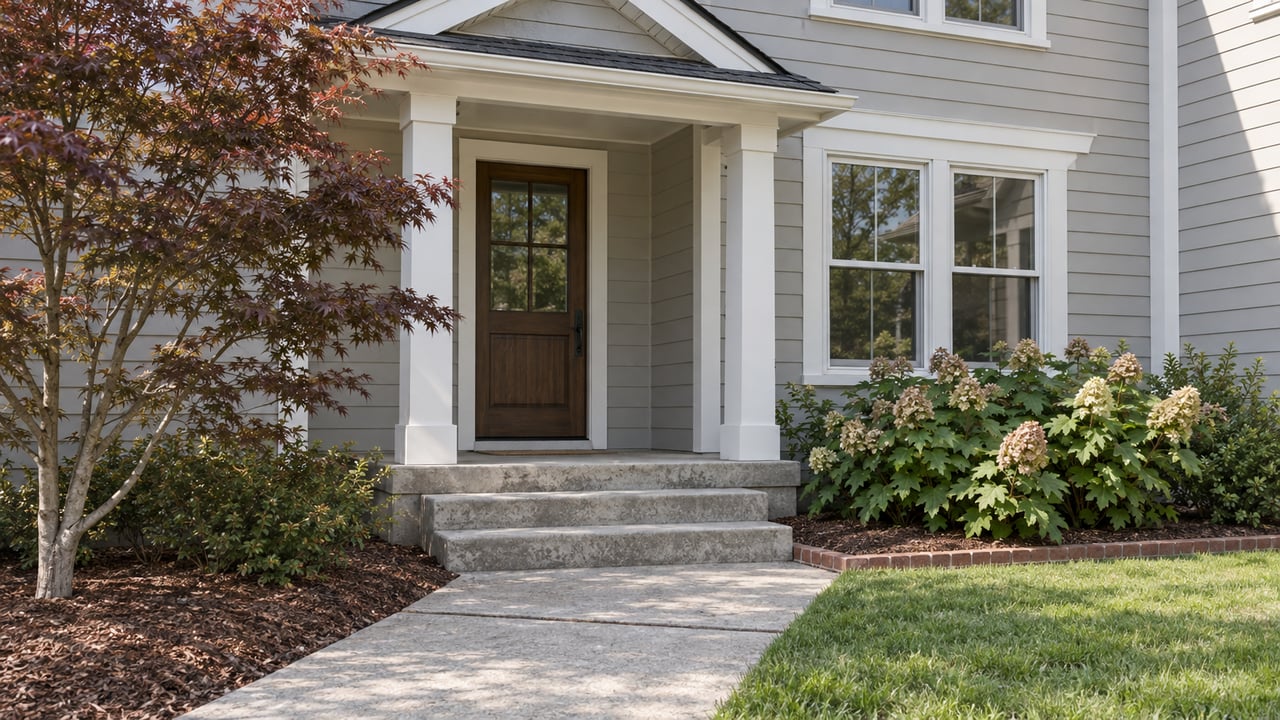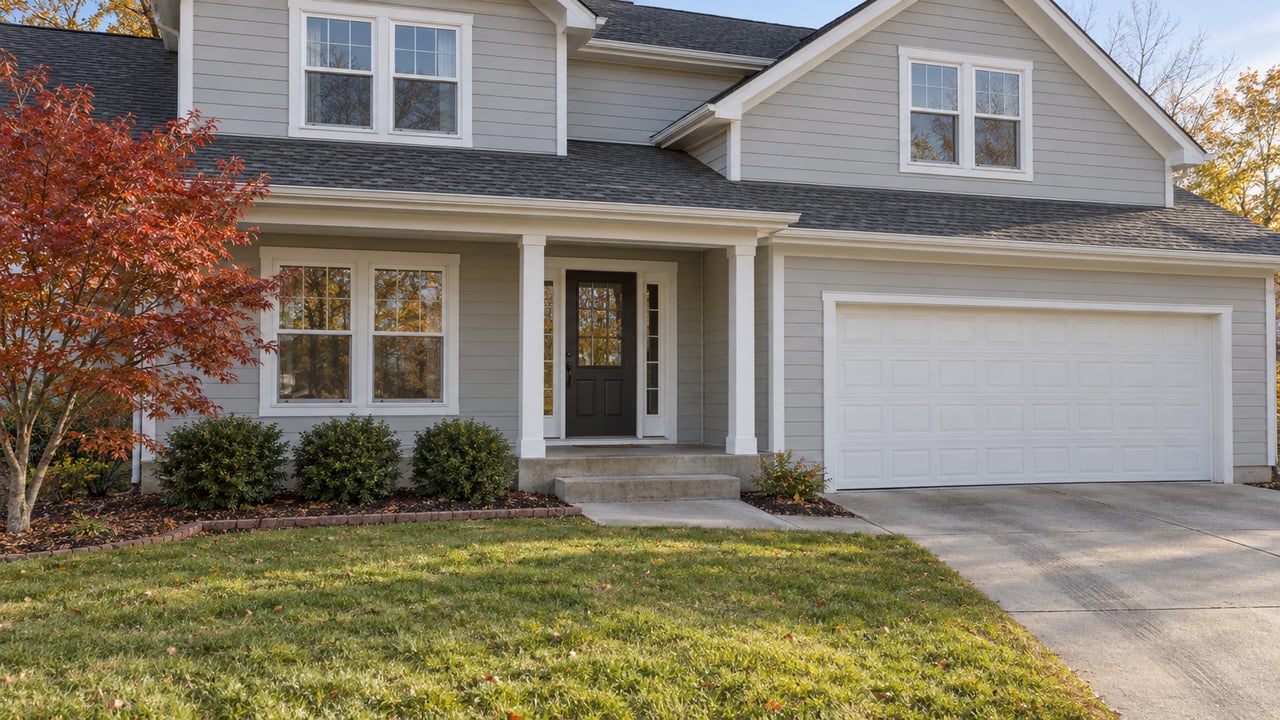
If you are trying to decide between new construction and a resale home in Chapel Hill, you are not alone. It is one of the most common questions buyers face in a market where price, location, and home style can look very different from one property to the next. The good news is that there is no one-size-fits-all answer. If you understand the tradeoffs clearly, you can choose the option that fits your budget, timing, and lifestyle with more confidence. Let’s dive in.
What Chapel Hill housing looks like
Chapel Hill has a mix of historic homes, newer communities, and modern apartment living. Town planning data shows that 57% of housing units are single-family, while about 47% of homes are owner-occupied. The town also has a broad age range of housing stock, with 35% of existing homes built between 1980 and 1999 and 26% built since 2000.
That variety matters because “new construction” and “resale” do not mean the same thing in every market. In Chapel Hill, newer housing production has leaned more heavily toward multifamily and attached housing. From 2011 to 2020, permitting averaged 174 multifamily units per year compared with 88 single-family units per year.
Orange County’s January 2026 survey adds even more context. It reported 3,850 units under construction, mostly in Chapel Hill and Hillsborough, including 3,189 multifamily units, 413 townhomes, and 248 single-family homes. In practical terms, that means a newly built detached home may be harder to find than a townhome, condo, or other attached product.
Why this choice feels bigger in Chapel Hill
Chapel Hill is not a low-cost market, so the decision between new and resale has real financial weight. Census QuickFacts lists the median owner-occupied home value at $613,700, with median monthly owner costs with a mortgage at $2,912. When home values are already high, even small differences in maintenance, efficiency, and location can affect your long-term cost.
This is also a location-sensitive market. Chapel Hill grew around UNC, and Franklin Street remains the downtown core. That means many older homes sit in established areas with more direct access to campus, downtown destinations, and town services.
Because of that, your choice is often less about whether one type is better and more about what matters most to you. Do you want modern finishes and lower near-term maintenance, or do you want a more established setting and potentially better access to central Chapel Hill? That is usually the real question.
What new construction offers
New construction appeals to buyers who want a fresh start. A newly built home often gives you a more modern floor plan, fewer immediate repair needs, and the benefit of newer systems and materials. For many buyers, that creates peace of mind during the first few years of ownership.
New homes can also be more energy efficient. ENERGY STAR notes that certified new homes exceed minimum energy code requirements by at least 10%. That does not mean every new home will perform the same way, but it does support the general idea that newer construction may help lower utility costs compared with an older home.
Another draw is personalization. Depending on the stage of construction, you may be able to choose finishes, fixtures, or design options that better match your taste. Builder warranties can also add another layer of comfort if you want more protection against early issues.
Best reasons to choose new construction
You may prefer new construction if you want:
- A modern layout that fits current living patterns
- Fewer repairs in the first few years
- New systems and materials
- Better energy efficiency potential
- Builder warranty coverage
- Some ability to personalize finishes
New construction tradeoffs in Chapel Hill
The biggest tradeoff is often the type of home available. In Chapel Hill, the current pipeline suggests that much of the new inventory is multifamily or attached housing rather than detached homes with large yards. If you picture a brand-new single-family home on a large lot in a central location, your options may be limited.
Lot shape and usable outdoor space can also be part of the equation. Town zoning materials note that minimum lot size depends on the zoning district, and stormwater rules can limit buildable area near streams and floodplains through Resource Conservation Districts. So even when a new home checks the box for “new,” the lot may feel smaller or more constrained than you expected.
Timing matters too. New construction can require patience, especially if the home is not yet complete. If you need to move on a tighter timeline, waiting for completion, inspections, and closing milestones may not be ideal.
Common downsides of new construction
Before choosing a new build, think about whether you are comfortable with:
- Higher upfront pricing
- Fewer detached-home options in the current pipeline
- Smaller or less established yards
- Less central locations in some cases
- Longer timelines before move-in
What resale homes offer
Resale homes often win on location, character, and immediate availability. In Chapel Hill, many established homes are closer to UNC, downtown, and long-developed neighborhoods. If being near the center of town matters to you, resale may give you more choices.
Older homes can also offer more mature landscaping, deeper setbacks, and a more established streetscape. While lot size always depends on the specific property and its zoning context, resale homes are often where buyers find more outdoor space or more natural tree cover.
There is also a pricing angle. Chapel Hill planning analysis found that older single-family homes are generally more affordable than newer housing. That does not mean every resale home is a deal, but it does mean resale may be the better value path if you want to stay close to the Chapel Hill core without paying the newest-home premium.
Best reasons to choose resale
You may prefer a resale home if you want:
- Faster move-in timing
- More established locations near UNC or downtown
- Mature landscaping or older neighborhood character
- Potentially lower pricing than newer homes
- A chance to renovate over time instead of paying for every upgrade upfront
Resale tradeoffs to consider
Resale homes come with their own set of compromises. An older layout may not feel as open or flexible as a newer floor plan. You may also face repair or replacement costs sooner, especially for roofing, HVAC, windows, or other major systems.
Utility costs can be another factor. Older homes may be less energy efficient, depending on age and updates. If a home has not been improved over time, you may trade a lower purchase price for higher monthly operating costs.
Parking can matter in parts of Chapel Hill as well. The town recognizes parking pressure around the UNC campus and nearby downtown neighborhoods. If you expect to rely on street parking or need space for multiple vehicles, that is worth checking carefully before you buy.
Let budget break the tie
If you are torn between the two, start with your all-in cost instead of just the list price. In Chapel Hill, where the median owner-occupied home value is $613,700, the better choice often comes down to how each home affects your monthly budget and future costs. A less expensive resale home may need updates, while a pricier new home may reduce near-term maintenance.
A helpful way to compare options is to look at:
- Purchase price
- Expected repairs or upgrades in the next 3 to 5 years
- Utility cost differences
- Warranty coverage
- Potential resale appeal based on location and home type
This side-by-side approach usually gives you a clearer answer than price alone.
Let timing break the tie
Your move timeline can quickly narrow your options. If you need to be in Chapel Hill soon, resale is usually the more practical path because the home is already built and available for a standard closing timeline. That simplicity matters when you are coordinating a job change, lease ending, or relocation schedule.
If your timeline is more flexible, new construction may become more attractive. You may be able to secure a home before completion and make some design choices along the way. Just remember that in Chapel Hill, much of the new pipeline is still weighted toward multifamily and townhome product.
Let lifestyle break the tie
Once budget and timing are clear, lifestyle usually makes the final decision. If you care most about a modern interior, lower maintenance, and energy efficiency, new construction may fit your day-to-day life better. If you care most about central location, established surroundings, or a home you can personalize over time, resale may be the better match.
Neither path is automatically better. They simply solve different problems. Chapel Hill’s mix of historic homes, newer development, and ongoing infill is exactly why both choices stay relevant.
A simple Chapel Hill decision guide
Here is the short version:
| If you prioritize... | You may prefer... |
|---|---|
| Modern layout and lower maintenance | New construction |
| Faster move-in | Resale |
| Builder warranty | New construction |
| Closer access to UNC or downtown | Resale |
| Energy efficiency | New construction |
| Established setting and mature landscaping | Resale |
| Renovating over time | Resale |
| Choosing finishes upfront | New construction |
The right answer is the one that supports how you want to live, not just what looks best on paper.
If you are weighing new construction against resale in Chapel Hill, working with an agent who understands the local housing mix can save you time and help you compare options more clearly. If you want help narrowing down the right fit for your move, connect with Keith O'Hare.
FAQs
Should Chapel Hill buyers expect more new condos and townhomes than detached homes?
- Yes. Recent local pipeline data shows new housing under construction is weighted heavily toward multifamily units and townhomes, with fewer single-family homes in the mix.
Is a resale home usually closer to UNC or downtown Chapel Hill?
- Often, yes. Many established homes are located in older parts of Chapel Hill that are positioned closer to UNC, Franklin Street, and town services.
Are older homes in Chapel Hill usually less expensive than new homes?
- Local planning analysis found that older single-family homes are generally more affordable than newer housing, though individual prices still vary by location, size, and condition.
Does new construction in Chapel Hill usually mean lower maintenance?
- In many cases, yes. New homes typically offer newer systems, modern materials, and builder warranties that can reduce repair needs in the first few years.
Should buyers compare more than the list price in Chapel Hill?
- Yes. In a high-cost market like Chapel Hill, it is smart to compare purchase price, expected repairs, utility costs, warranty coverage, and long-term resale appeal.